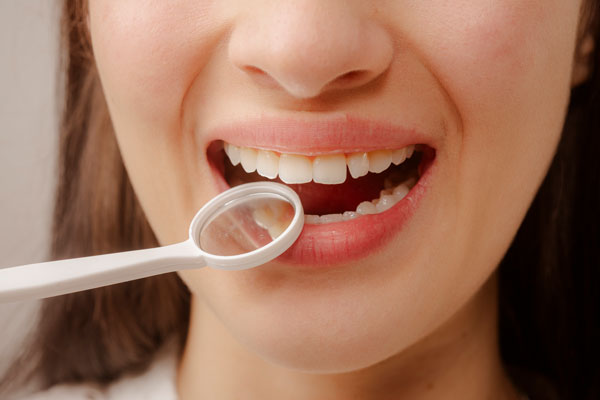
Dental cleanings remove plaque and tartar deposits from the teeth that build up over time. They help to prevent gum disease and cavities, making them an important part of dental hygiene and good oral health in general. Here’s how they work and why they’re so important in keeping your smile in top shape.
Dental cleanings to remove plaque
Oral cleaning, also known as prophylaxis, is regular appointments with your dentist to remove plaque and tartar deposits on your teeth. Usually done every six months to a year, they’re an important part of any oral hygiene routine that can help prevent cavities or gum disease. Your dentist will use instruments like dental floss, picks, or ultrasonic tools to scrape away any bacteria.
Although they’re sometimes called deep cleanings, there isn’t any cleaning that goes deeper than regular cleanings. They aren’t intended to treat periodontal disease or reduce your risk of gum disease. Instead, they remove only surface deposits and plaque on your teeth and gums.
Cleanings to remove tartar
Though some people look forward to visits to the dentist, cleanings can be uncomfortable. However, your dental hygienist will do more than check your teeth; they will remove tartar—the calcified debris left behind when plaque hardens. This build-up is not only unpleasant but also increases your risk of gum disease and tooth decay.
It’s more important to get rid of plaque before it hardens into tartar. Your dentist or dental hygienist will be able to remove it with little effort, but once plaque has hardened, you’ll need professional cleaning to remove it. If left untreated, tartar can damage your teeth. Once tartar has formed on your teeth, you may need a crown or other restorative treatment to eliminate any remaining damage.
How often do I need dental cleanings?
It’s recommended that you see your dentist at least once every six months for a professional cleaning to remove plaque and tartar deposits. This is because as we age, our mouths accumulate more of these substances than we do when we’re younger. The sooner these plaque and tartar deposits are removed, the better off your teeth will be—and even more so if you maintain good oral hygiene habits as well.
You’ll want to brush two to three times a day. Be sure to floss once a day—and replace your toothbrush every few months with a new one to make sure it’s properly cleaning your teeth. If you maintain good oral hygiene habits, you won’t have any problems with cleanings.
If you have any concerns about your mouth or teeth, it’s best to schedule an appointment with your dentist right away. They can examine you in person to determine what treatment is necessary—and whether it can be done at their office or if they’ll need to refer you to a specialist. There are many different options available for oral health care, depending on your situation. Either way, regular cleanings will help remove plaque and tartar deposits from your mouth so that you can feel confident smiling without being embarrassed by yellowed teeth.
Request an appointment here: https://www.miksadental.com or call Advanced Dental Care of Englewood at (201) 579-6674 for an appointment in our Englewood office.
Check out what others are saying about our dental services on Yelp: Dental Cleaning and Examinations in Englewood, NJ.
Recent Posts
Getting a dental cleaning twice a year goes a long way toward preventing tooth decay. It is a procedure involving the removal of plaque and tartar from tooth surfaces. Plaque is a thin, sticky film created by oral bacteria. It contains bacteria and tooth-destroying acids. It hardens into tartar when left on teeth surfaces for…
Using tools and equipment, your dentist can provide dental cleaning to your teeth and gums in ways that most people cannot do at home. Most of the time, cleaning your teeth properly involves removing plaque and tartar build-up on the surfaces of your teeth, both above and below the gum line. This can make your…
Dental cleaning is an essential aspect of your health. However, not everyone will have the same experience in a dental office. Some people may feel nervous or anxious about going to their dentist appointments, making them less compliant with aftercare instructions for dental cleaning. This article provides tips on how you can keep your teeth…
A preventive dentist is vital in protecting long-term oral health by identifying and addressing risks before they develop into serious concerns. From proactive care to personalized guidance, a preventive dentist helps reduce the likelihood of cavities, gum disease, and other common dental conditions. By encouraging consistent checkups and healthy habits, this approach supports stronger teeth,…