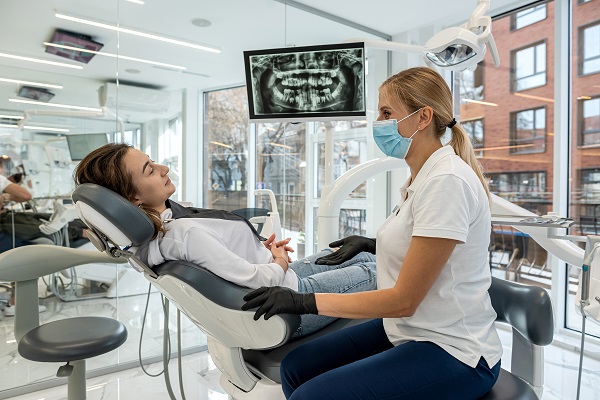
Dental cleaning is an essential aspect of your health. However, not everyone will have the same experience in a dental office. Some people may feel nervous or anxious about going to their dentist appointments, making them less compliant with aftercare instructions for dental cleaning. This article provides tips on how you can keep your teeth clean during and after a dental visit.
Brush and floss your teeth
After you get home from a dental visit, brush and floss your teeth; if necessary, use mouthwash to keep the fresh taste in your mouth. Using antibacterial or medicated toothpaste can help kill bacteria that may cause cavities after visiting the dentist. It will also reduce the bacteria in your mouth, so you do not get an infection.
Make sure to brush and floss every day after the dental visit. This will help maintain healthy teeth, gums, and breath even if it has been a few days since visiting the dentist's office. If you take good care of your teeth during homecare procedures, they can stay healthy for an extended time.
Take care of your gums
During aftercare procedures, make sure to take good care of your gums as well as teeth. Rinse with mouthwash or brush and floss the gum line every day to remove plaque buildup. This will also reduce bacteria in your mouth that can lead to infection if not removed.
Use dental floss to remove food particles or plaque from teeth and gums that brushing may not get out. Flossing your teeth every day will prevent bacteria growth and infection around the gum line and between your teeth, which you can develop cavities easier if left alone.
Avoid hard foods and sticky foods
Do not eat hard or sticky food for a few days after your dental visit. These foods can be harmful to your teeth if you do not wait long enough to heal from surgery, which can cause cracks in the teeth and damage to fillings. If you eat these types of foods, it may also lead to a cavity or an infection in your gums.
Avoid drinking alcohol
Do not drink alcohol for a couple of days after visiting the dentist. Drinking too much alcohol while your gums are healing can lead to infection in the gum line or between teeth. If you wait until your mouth has recovered from surgery, it will reduce the damage done by brushing and flossing immediately after surgery on the teeth or gums.
Do not smoke or use tobacco products
If you are a smoker, then stop smoking for at least two days after your dental visit. Smoking can cause infection in the gum line and teeth, so it is essential to wait until it heals before using any nicotine product again. This will reduce bleeding during brushing because there is already damage done to the gums or teeth.
Dentistry is an essential aspect of your health. However, not everyone will have the same experience in a dental office. Some people may feel nervous or anxious about going to their dentist appointments, making them less compliant with aftercare instructions for dental cleaning.
Request an appointment here: https://www.miksadental.com or call Advanced Dental Care of Englewood at (201) 579-6674 for an appointment in our Englewood office.
Check out what others are saying about our dental services on Yelp: Dental Cleaning and Examinations in Englewood, NJ.
Recent Posts
Dental cleanings remove plaque and tartar deposits from the teeth that build up over time. They help to prevent gum disease and cavities, making them an important part of dental hygiene and good oral health in general. Here’s how they work and why they’re so important in keeping your smile in top shape.Oral cleaning, also…
Getting a dental cleaning twice a year goes a long way toward preventing tooth decay. It is a procedure involving the removal of plaque and tartar from tooth surfaces. Plaque is a thin, sticky film created by oral bacteria. It contains bacteria and tooth-destroying acids. It hardens into tartar when left on teeth surfaces for…
Using tools and equipment, your dentist can provide dental cleaning to your teeth and gums in ways that most people cannot do at home. Most of the time, cleaning your teeth properly involves removing plaque and tartar build-up on the surfaces of your teeth, both above and below the gum line. This can make your…
A preventive dentist is vital in protecting long-term oral health by identifying and addressing risks before they develop into serious concerns. From proactive care to personalized guidance, a preventive dentist helps reduce the likelihood of cavities, gum disease, and other common dental conditions. By encouraging consistent checkups and healthy habits, this approach supports stronger teeth,…