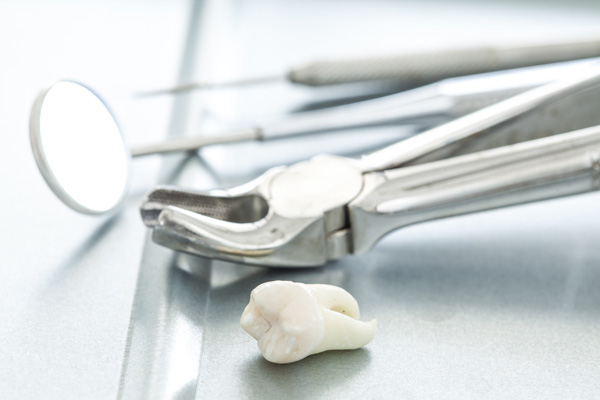
Preparing for a ? While the procedure may seem daunting, it is important to know that it is often necessary in order to restore oral health. Modern-day dentistry has allowed for the evolution of technology, which reduces recovery times and pain. Nonetheless, there is still a short period of recovery, which requires a few simple aftercare steps. Keep reading to find out more!
Tips for recovering after a tooth extraction
Outlined below are a few tips from a dentist regarding tooth extraction recovery. It can be helpful to review these tips when preparing for an upcoming tooth extraction.
1. Take an over-the-counter pain medication
Over-the-counter pain medications can be helpful after tooth extraction. Part of recovering means managing the discomfort; however, most tooth extractions do not warrant a prescription medication, which is why a dentist recommends store-bought medications to reduce pain. Medication should always be taken with a small amount of food to avoid an upset stomach.
2. Use ice and a cold compress
Ice and cold compresses can be helpful after tooth extraction. There is usually some slight swelling and inflammation that can be reduced with an ice or cold pack. It is recommended to do a few minutes with ice then a few minutes without it to avoid freezing.
3. Avoid eating hard foods
After tooth extraction, the wound will be uncomfortable and the surrounding areas may be sensitive too. It is best to avoid hard or tough foods that may further irritate the area where the tooth was extracted. Dentists suggest eating soft foods or a liquid diet for a day or so after the tooth extraction. Ultimately, it is up to the patient's discretion when they can eat like normal again.
4. Rinse with salt water
Rinsing after a tooth extraction is important because the wound can experience a build-up of bacteria or debris immediately after. Salt water is a gentle alternative to mouthwash that does not harm the wound or the oral cavity. Dentists recommending rinsing two to three times in one day after tooth extraction. The water should be warm and a small amount of salt should be added to create a gentle cleaning solution.
5. Do not skip oral hygiene
A lot of people are eager to skip oral hygiene after a tooth extraction out of fear that the wound will become irritated. However, the dentist highly recommends continuing to brush and floss as normal, just to be gentle around the recently pulled tooth. Oral hygiene is essential, especially after tooth extraction because the wound is susceptible to bacterial infection.
Find out more from a general dentist
When looking for other tips on recovering from a tooth extraction, it is best to consult directly with a general dentist. The dentist can provide specific tips, which can be helpful to patients who are feeling anxious about the procedure. Reach out today to learn more about life after an extraction.
Request an appointment here: https://www.miksadental.com or call Advanced Dental Care of Englewood at (201) 579-6674 for an appointment in our Englewood office.
Check out what others are saying about our dental services on Yelp: .
Recent Posts
You may need a wisdom tooth extraction already. Wisdom teeth often erupt between 17 and 21 years of age. Some people ignore their wisdom teeth. Others have no choice but to pay attention to theirs. In some cases, extracting the wisdom teeth could make or break dental health. If you want to know the signs…
A wisdom tooth extraction is often necessary in order to create room in the mouth as well as to help avoid or relieve pain. While the procedure itself is common and generally goes well for most patients, it is important is to know the steps to take to fully recover afterward. Recovery varies for every…
Wisdom teeth are late-stage molars. When they emerge from the gums and squeeze by your existing teeth, in a process known as impaction, they may cause a lot of pain. Impacted wisdom teeth can sometimes cause jaw alignment issues, sinus issues, recurrent cavities, and cysts.Some individuals are lucky enough to avoid such wisdom tooth symptoms…
Dental emergencies can happen anywhere and at any time, so it is beneficial to have an emergency dentist. You should find a dentist before the need arises. Experiencing any dental emergency is bad enough without having to prolong the suffering and pain while looking for a dentist. No one wants to be in a position…