Are Gum Disease and Gingivitis the Same Thing?
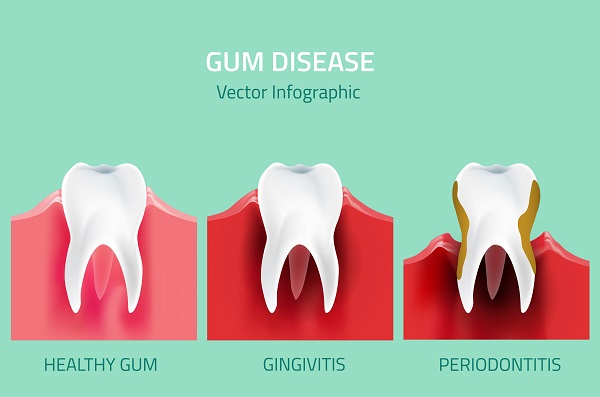
There are different stages of gum disease, with each stage being based on the severity of the infection. Because there are different stages of gum disease, it can be difficult to differentiate between each one. When trying to determine what stage the infection is at, it is best to begin with a visit with a general dentist.
Gum disease vs. gingivitis
Outlined below are overviews of gum disease and gingivitis. While the two do tend to overlap, there are a few key differences that are important to be aware of.
What is gum disease?
Gum disease is a serious infection in the gums that causes damage to the soft tissues. If gum disease goes untreated, patients may also experience damage to their teeth, such as tooth decay. Typically, the cause of gum disease is genetics, lack of oral hygiene or skipping routine cleanings with a dentist.
Dentistis often recommend oral rinses, as well as in-depth cleaning procedures that go beneath the gums. However, if the gums have begun to recede or if there is a shift in the teeth, then more invasive procedures may be required, such as soft tissue transplants.
What is gingivitis?
Gingivitis is typically the beginning stage of gum disease. Medically speaking, gingivitis refers to inflamed gums. When a patient suffers from gingivitis, they are likely to experience inflammation, which can appear as red, puffy or swollen gums. Typically, there is tenderness as well.
Gingivitis often occurs when there is a lack of oral hygiene or when the patient skips routine cleanings with their dentist. Often, it can be treated through a procedure known as scaling and root planing, which is just a more in-depth cleaning of the soft and hard tissues within the mouth.
Similarities and differences
Gingivitis is a form of gum disease, which means that there are symptoms that overlap. When a patient experiences overall gum disease, it is likely that the infection is severe. However, if the gums are just inflamed, then it is likely that the patient only has gingivitis. The main difference is that gingivitis is such an early form of gum disease, patients will not likely experience bleeding or pain. Additionally, the teeth will not be affected, and the gums are not likely to recede.
However, one thing that remains constant for both gingivitis and gum disease is that the patient will experience inflammation. Inflamed gums are the number-one sign that an infection is present, especially as the disease progresses.
Learn more today!
Both gum disease and gingivitis can lead to serious complications if treatment does not take place. Working with a general dentist is a good place to start when experiencing a gum infection. Reach out today to learn more or to get started! Our team is here to help.
Request an appointment here: https://www.miksadental.com or call Advanced Dental Care of Englewood at (201) 579-6674 for an appointment in our Englewood office.
Check out what others are saying about our dental services on Yelp: Gum Disease in Englewood, NJ.
Recent Posts
A preventive dentist is vital in protecting long-term oral health by identifying and addressing risks before they develop into serious concerns. From proactive care to personalized guidance, a preventive dentist helps reduce the likelihood of cavities, gum disease, and other common dental conditions. By encouraging consistent checkups and healthy habits, this approach supports stronger teeth,…
A dental implant restoration is a method of teeth replacement that utilizes a dental implant, abutment and artificial tooth (restoration) to replace one or more missing teeth. It is helpful to understand when a general dentist might recommend a dental implant restoration to determine if you may benefit from treatment. There are certain times when a…
Patients with missing or broken teeth have a variety of options. Implant supported dentures, which involve attaching dentures to metal implants in the jawbone, have become one of the more popular choices. However, the prospect of going weeks or months without teeth while waiting for the gums to heal can be discouraging for some patients.…
Sleep apnea is a serious condition that causes the airway to become obstructed. Airway obstruction leads to an inability to breathe as oxygen is no longer able to flow. Additionally, sleep apnea can result in a lack of sleep, which may translate to poor work ethic, irritability, and stress. Thankfully, sleep apnea can be addressed, managed,…